
Take Control of Your Financial Future
Money stress keeps too many Australians awake at night. We built this program after seeing bright people struggle not because they earned too little, but because nobody taught them how money actually works. You'll learn practical cost management strategies that fit real life—not theoretical textbook stuff.
Eight weeks. Real tools. Actual results you can measure in your bank account.
Register Your InterestWhat Makes This Different
Most financial courses dump information and hope it sticks. We focus on behaviour change—which is where the real challenge lives.
Small Group Learning
Maximum 12 participants per session. Everyone gets proper attention, and you'll actually have space to ask questions without feeling rushed or embarrassed.
Your Own Numbers
We work with your actual bank statements and expenses. No hypothetical scenarios—you'll build a system that works for your specific situation and income level.
Weekly Check-ins
Changing money habits takes support. You get accountability without judgement, plus practical help when you hit obstacles or life throws something unexpected your way.
Tools That Stick
Simple spreadsheets and tracking methods that don't require financial expertise. If you can open email, you can use these systems. Several participants still use them years later.
How the Eight Weeks Work
Each session builds on the last. You'll implement one change at a time—small steps that compound into significant improvements over the two months.
-
Weeks 1-2: Reality Check
Track everything. Most people discover they're spending on things they forgot existed. We map where your money actually goes versus where you think it goes.
-
Weeks 3-4: Building Your System
Create a spending plan that doesn't feel restrictive. We identify what matters to you and cut things that don't. Your plan should reflect your values, not someone else's priorities.
-
Weeks 5-6: Dealing With Problems
Debt reduction strategies, negotiating bills, finding leaks in recurring subscriptions. Plus how to handle irregular expenses that wreck most budgets.
-
Weeks 7-8: Future Planning
Emergency funds, savings automation, and planning for larger goals. We also cover how to maintain these habits when motivation fades.

Who You'll Learn From
Our instructors have walked this path themselves. They understand money anxiety because they've experienced it, and they know what works because they've tested it.

Astrid Bjørnstad
Lead Instructor
Spent her twenties drowning in credit card debt before figuring out systems that actually stuck. Now helps others skip the painful learning curve she went through.

Siobhan Rafferty
Budgeting Specialist
Former impulse shopper turned tracking expert. Believes budgets should be flexible tools, not punishment. Specialises in helping people who've tried and failed before.
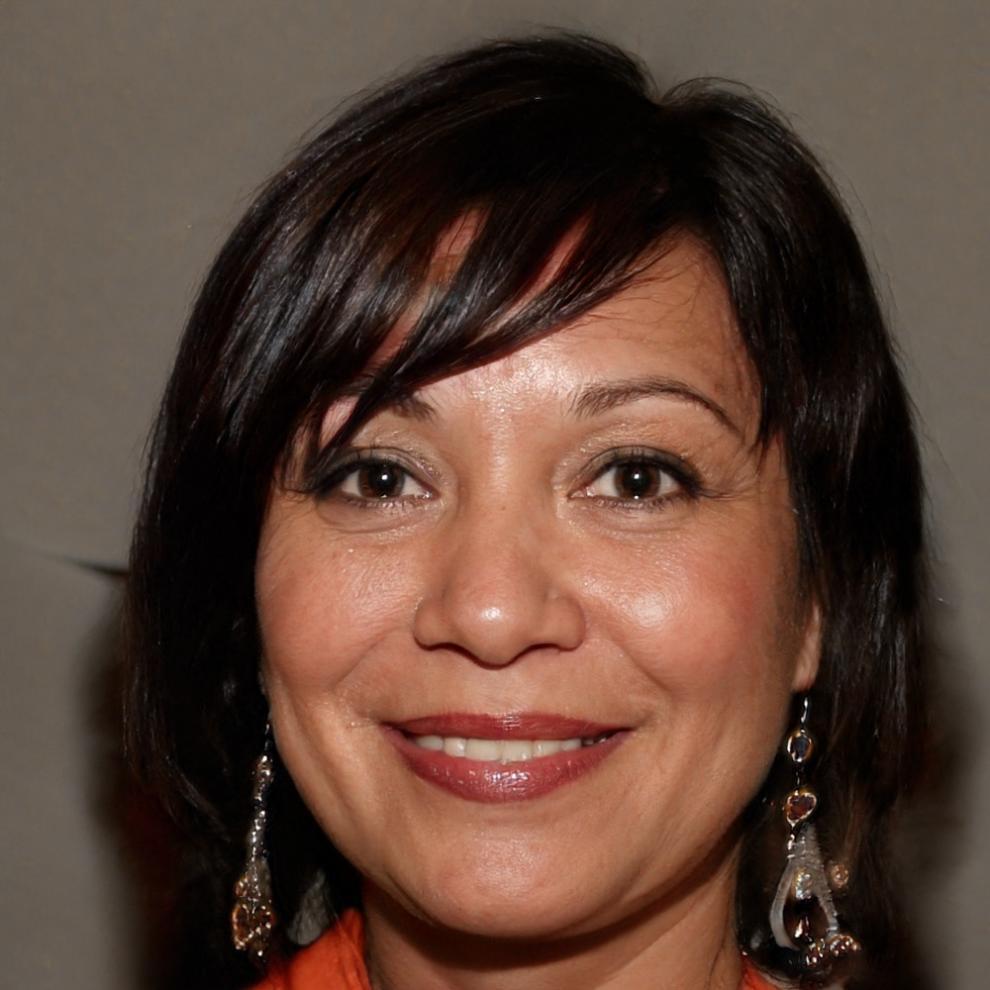
Elara Thorne
Debt Coach
Paid off six figures of combined personal and business debt over five years. Knows every trick creditors use and how to negotiate better terms.

What You'll Walk Away With
We're not promising miracles. But participants who follow through tend to see meaningful changes in how they handle money and feel about their finances.
- A personalised spending system you actually understand and can maintain without constant effort
- Clear visibility into where every dollar goes each month
- Strategies for handling unexpected expenses without panic or credit cards
- Reduced financial stress and better sleep at night
- Confidence to make bigger financial decisions when they come up
- Support network of others working on the same challenges
Sessions run Tuesday evenings at our Currumbin Waters location, with online options for those who can't attend in person. Both formats include the same content and support.
Ask About October Program